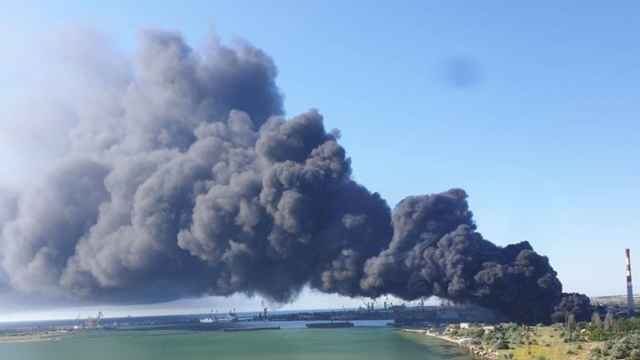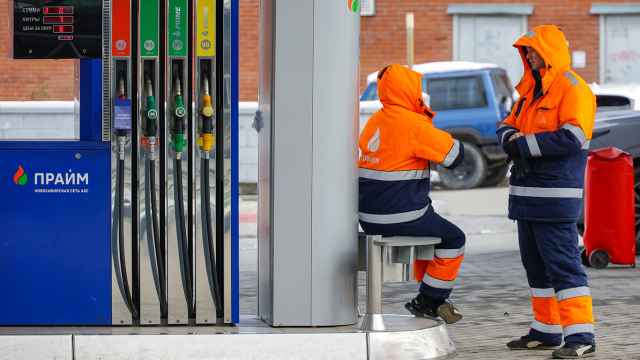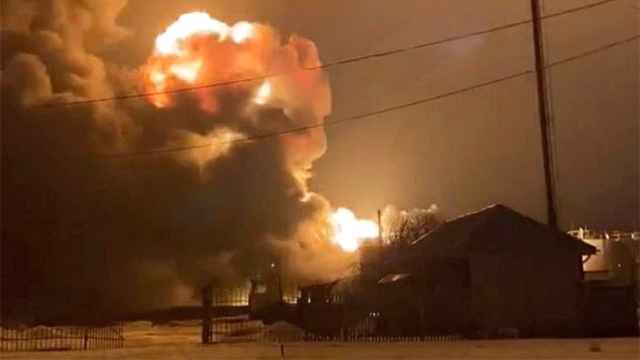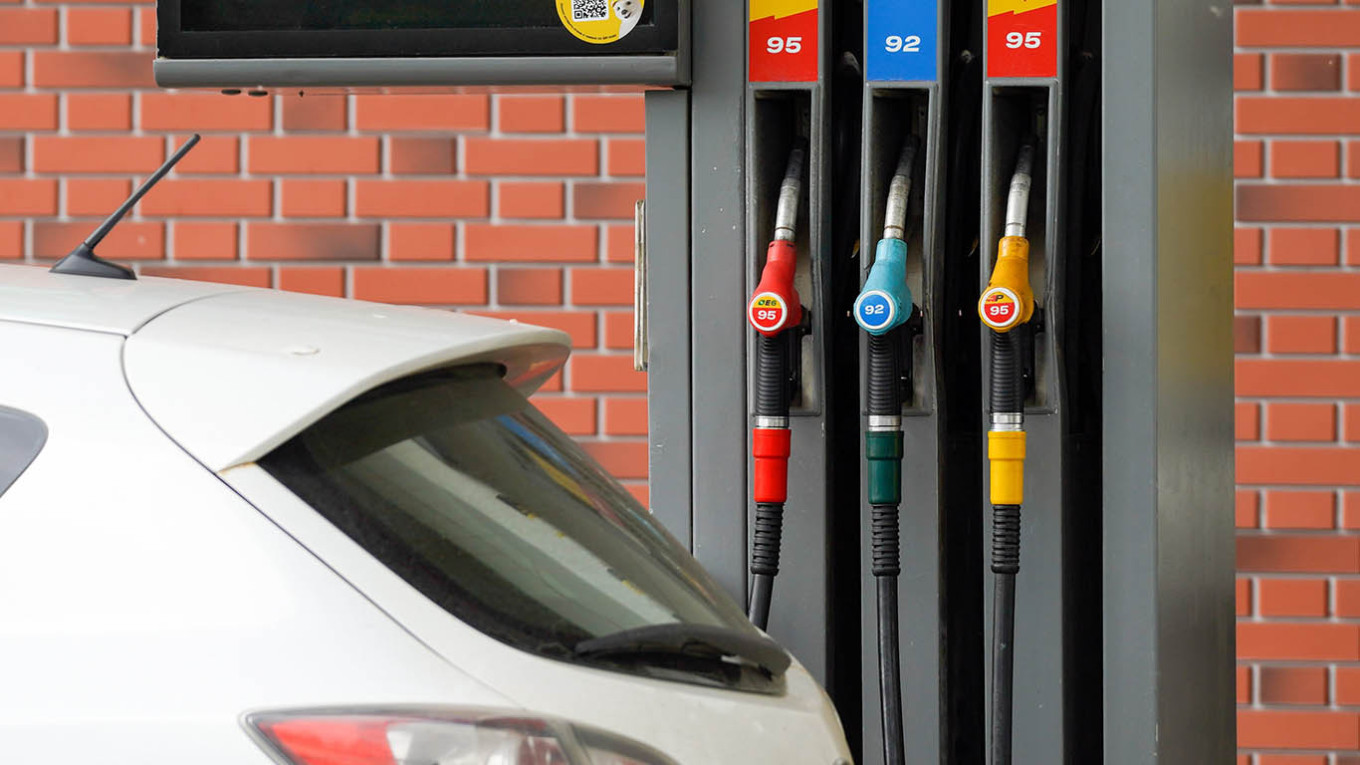
Russia’s Energy Ministry has acknowledged that mounting Ukrainian drone attacks on the country’s oil refineries and energy infrastructure are to blame for recent shortages of gasoline in annexed Crimea and some parts of southern Russia.
“Recently, fuel and energy sector enterprises have faced an uptick in enemy aerial attacks, leading to temporary difficulties with fuel supplies in several southern regions,” the Energy Ministry said in a statement released late Monday.
Officials said they have set up an “industry-wide task force” meant to ensure the “stable and efficient operation of the country’s entire energy sector.”
Ukraine began ramping up its attacks against Russian oil refineries and supply lines this spring in a bid to deprive the Kremlin of windfalls from surging oil prices. Drone strikes have halted or scaled back production at facilities that account for large shares of Russia’s gasoline output.
In addition to attacking Russian refineries, Ukraine is targeting fuel trucks driving along the R-280 Novorossiya highway, which connects annexed Crimea to southern Russia’s Rostov region.
Last month, Russia’s Energy Ministry insisted the domestic gasoline market remained “stable and under control,” even as annexed Crimea began gradually rationing fuel at local gas stations.
A woman living in Crimea, who spoke on condition of anonymity due to the risks of talking to journalists, told The Moscow Times on Tuesday that “people are starting to worry and are stocking up on food, sugar and grains,” though she said issues caused by the local gasoline shortage remain “tolerable” for now.
Another woman living in the annexed peninsula said gasoline in Sevastopol, Crimea’s largest city, is now sold only via special QR codes issued through Max, the state-backed messaging app that authorities are pushing as a replacement for Telegram and WhatsApp.
“But there aren’t enough QR codes for everyone. We couldn’t get one yesterday,” she said.
The woman said there are now far fewer cars driving on the streets of Sevastopol due to fuel rationing. However, public transportation continues to run as usual, she added.
Beyond Crimea, the full scale of the gasoline shortages remains unclear, with some regions introducing rationing measures that appear to target panic-buying and hoarding rather than an immediate, acute supply crunch.
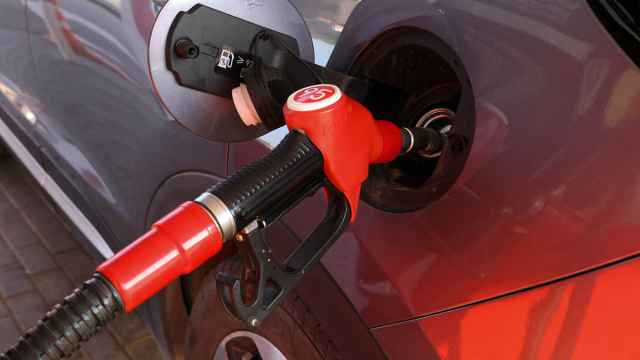
The average price of gasoline in Russia has climbed 4.8% since the start of the year, with a single-week jump pushing national averages to 67.83 rubles per liter as of June 1.
According to the latest weekly data from the federal statistics agency Rosstat, fuel costs rose across 73 regions, led by a 3.2% spike in the republic of Tuva. Diesel prices rose 0.8% week-on-week to a national average of 79.46 rubles per liter.
A ban on gasoline exports remains in force in Russia through July 31 to safeguard local supplies and combat rising prices.
Reuters, citing market sources, reported Monday that the shortages have forced Russia to cut June crude exports and redirect that supply into domestic refineries for gasoline production.
A Message from The Moscow Times:
Dear readers,
We are facing unprecedented challenges. Russia's Prosecutor General's Office has designated The Moscow Times as an "undesirable" organization, criminalizing our work and putting our staff at risk of prosecution. This follows our earlier unjust labeling as a "foreign agent."
These actions are direct attempts to silence independent journalism in Russia. The authorities claim our work "discredits the decisions of the Russian leadership." We see things differently: we strive to provide accurate, unbiased reporting on Russia.
We, the journalists of The Moscow Times, refuse to be silenced. But to continue our work, we need your help.
Your support, no matter how small, makes a world of difference. If you can, please support us monthly starting from just $2. It's quick to set up, and every contribution makes a significant impact.
By supporting The Moscow Times, you're defending open, independent journalism in the face of repression. Thank you for standing with us.

Remind me later.